

Published
July 6, 2026
by Joe Scerri, Owner
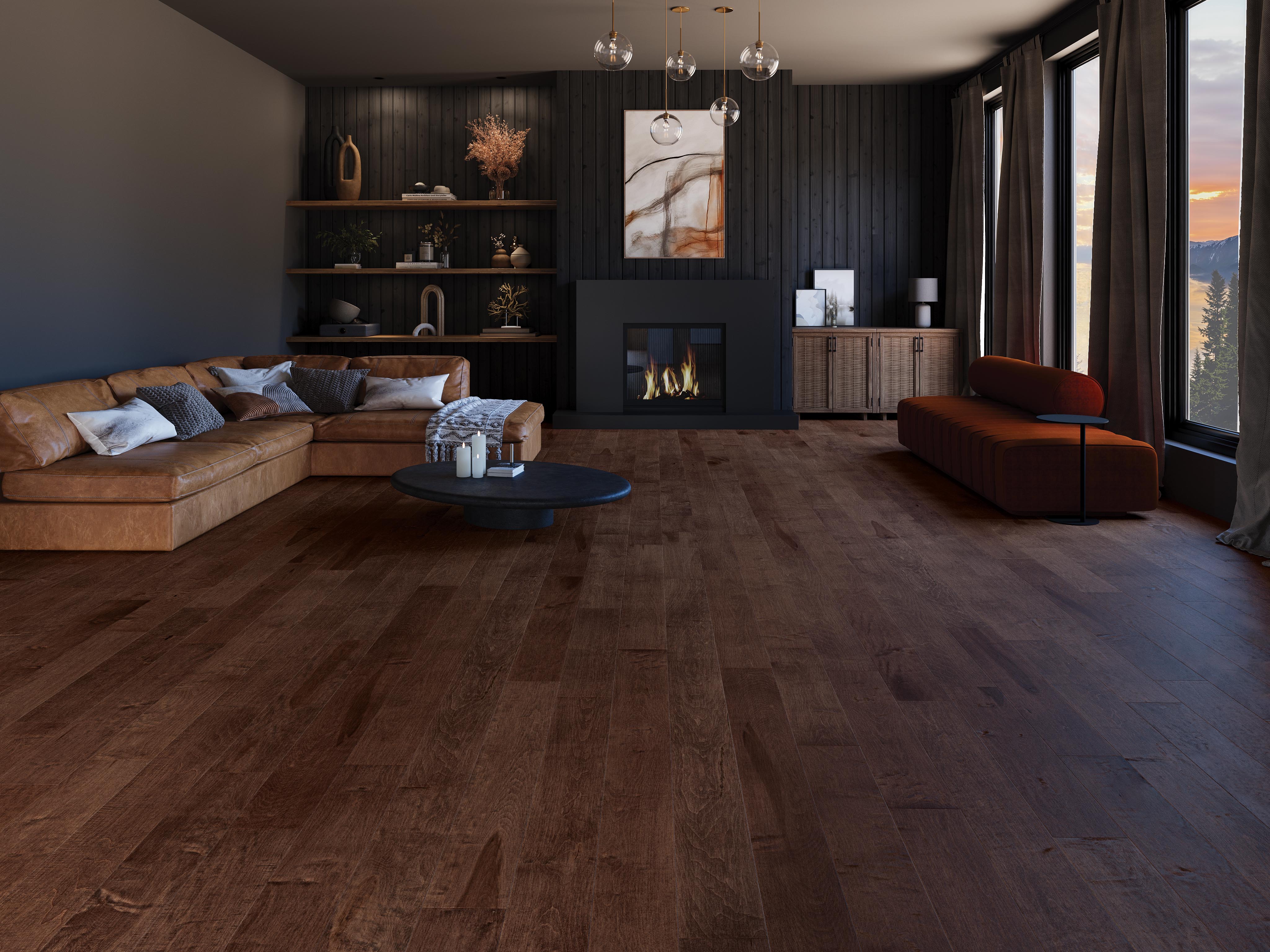
One of the most important steps in any hardwood flooring installation happens before the first board is ever laid. Proper acclimation allows the flooring to adjust to the temperature and humidity of its new environment, helping to minimize movement after installation.
While both solid hardwood and engineered hardwood require acclimation, the process is not the same for each.
Solid hardwood is milled from a single piece of wood, making it more susceptible to changes in moisture. Because the planks are thicker, it generally takes longer for the wood to reach equilibrium with the surrounding environment.
Rushing this process can increase the risk of:
For this reason, solid hardwood should always be given adequate time and temperature to acclimate before installation.
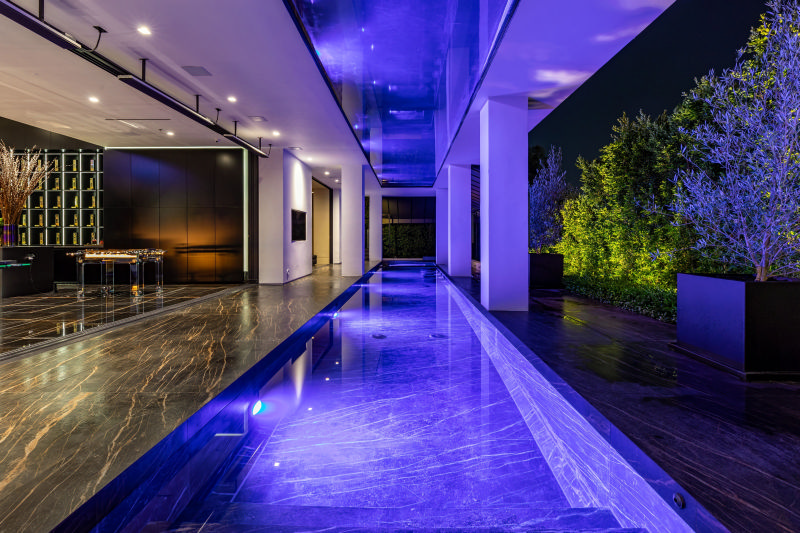
Engineered hardwood is constructed with multiple layers that help reduce the natural movement of the wood. This layered construction makes it more dimensionally stable than solid hardwood and often allows it to acclimate more quickly.
However, that does not mean acclimation should be skipped.
Engineered flooring should still be stored under normal living conditions and installed only after it has adjusted to the home's environment and the manufacturer's recommendations have been met.
There is no universal acclimation timeline. Factors such as indoor humidity, temperature, the season, and even the species of wood all influence how long the process should take.
At Scerri Quality Wood Floors, we evaluate each project individually rather than relying on a one-size-fits-all approach. Proper acclimation is an essential part of a successful installation and helps ensure your hardwood flooring performs as intended for years to come.
For high-quality residential homes, a whole-home humidification system may be worth considering as part of an overall hardwood flooring care plan. Because wood is a natural material, it continuously responds to changes in indoor humidity by expanding and contracting.
During the winter months, heating systems often dry out the air, causing hardwood flooring to lose moisture. This can lead to seasonal gaps, shrinkage, or other movement within the floor.
A properly sized humidification system helps maintain a more consistent indoor environment, reducing drastic fluctuations in humidity throughout the year. While no system can eliminate natural wood movement entirely, maintaining stable humidity levels can help minimize seasonal changes and support the long-term performance of the floor.
At Scerri Quality Wood Floors, we believe homeowners should understand how indoor humidity affects hardwood flooring. Creating a stable indoor climate is one of the best ways to preserve the beauty, durability, and longevity of your floors, whether through a whole-home humidification system or other methods of humidity control.
Acclimation may not be the most visible part of a flooring project, but it is one of the most important. Taking the time to properly prepare solid or engineered hardwood before installation helps protect your investment and contributes to the long-term beauty and performance of your floors.

© 2026 Scerri Quality Wood Floors


