


Published
September 22, 2026
by Joe Scerri, Owner
Renovating an older New York City apartment can uncover more than just the original hardwood floor.
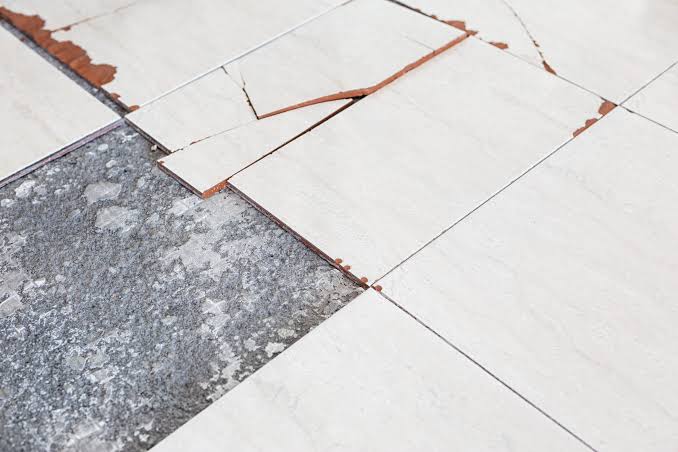
Old floor tiles, adhesives, leveling compounds, and other materials hidden beneath existing flooring may contain asbestos. This is particularly important in NYC, where many apartments, townhouses, brownstones, and pre-war buildings have gone through multiple renovations over the decades.
Asbestos does not automatically mean your flooring project cannot move forward. However, it does mean the material needs to be handled correctly before flooring work continues.
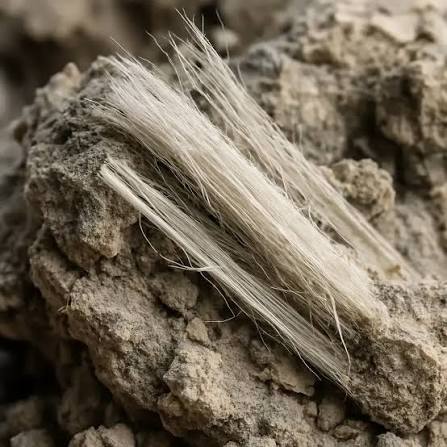
Asbestos was historically incorporated into many building materials because of properties such as its resistance to heat and chemicals. NYC's Department of Environmental Protection lists floor tiles among the building materials that have historically contained asbestos. New York State regulations also identify materials including floor tile, floor-leveling compound, and mastics or adhesives as potential asbestos-containing materials.
During a flooring renovation, these materials may not become visible until an existing floor is removed.
For example, a homeowner may plan to remove an older floor covering and discover tile or dark adhesive underneath. The appearance or age of a material alone, however, should not be used to determine whether it contains asbestos.
If a material is suspected of containing asbestos, it should be properly evaluated before it is disturbed.
Manhattan has an enormous amount of older housing.
Pre-war apartments, historic brownstones, townhouses, and older co-op buildings may have undergone several flooring renovations throughout their history. A hardwood floor you see today may be sitting above materials installed many decades ago.
NYC DEP says asbestos can be found in many buildings constructed before 1989, although the age of a building by itself does not prove that a particular material contains asbestos.
This is why older NYC flooring projects can sometimes reveal unexpected conditions once renovation begins.
Do not simply remove, sand, grind, or otherwise disturb a suspicious material.
Asbestos becomes a concern when fibers can be released into the air. NYC Health advises keeping asbestos-containing flooring and other materials undamaged and recommends using trained professionals when identification or testing is needed.
For NYC renovation work, building owners are responsible for having a DEP-certified asbestos investigator determine whether asbestos-containing material that could be affected by the project is present.
That determination should happen before potentially affected material is disturbed.
Asbestos abatement is the controlled process used to properly address asbestos-containing material when it needs to be disturbed or removed.
It is separate from normal hardwood floor removal or installation.
When asbestos-containing material requiring abatement will be disturbed, NYC requires the appropriate licensed asbestos professionals to perform the work. Depending on the project, this can include a licensed asbestos abatement contractor and independent air monitoring. The size and scope of the asbestos work also determine which reporting and filing requirements apply.
This is not something a homeowner or regular flooring contractor should simply remove as part of demolition.
Finding asbestos or suspected asbestos can change the order and timeline of a flooring project.
A typical situation could look something like this:
1. Existing flooring is evaluated.
Before demolition, the materials that could be affected by the project are assessed as required.
2. Suspected materials are investigated.
A qualified asbestos professional determines whether asbestos-containing material is present.
3. Required abatement is completed.
If regulated asbestos needs to be removed or disturbed, properly licensed professionals handle that portion of the project.
4. Flooring work continues.
Once the asbestos-related work has been properly addressed and the area is ready for the planned flooring work, the hardwood portion of the renovation can proceed.
Planning for this possibility early can help prevent an unexpected discovery from disrupting the entire renovation schedule.
Not every older material necessarily needs to be removed simply because it is old.
Depending on the existing flooring system, the condition of the subfloor, the new flooring product, building requirements, and the results of any necessary asbestos investigation, there may be situations where existing material can remain undisturbed.
However, that decision needs to be made based on the actual conditions of the project. Installing hardwood over a questionable surface simply to avoid investigating it is not a substitute for complying with applicable asbestos requirements.
If you're renovating an older Manhattan property, asbestos is something worth considering before demolition begins, not after the flooring has already been torn up.
Knowing what is underneath the existing floor can help you plan the project correctly, coordinate the appropriate professionals, and avoid unnecessary delays.
It is also important to separate the different responsibilities involved. Asbestos inspection and abatement should be handled by properly qualified asbestos professionals. Hardwood installation, repair, restoration, and refinishing can then be handled by your flooring contractor once the space is ready for that work.
At Scerri Quality Wood Floors, we've worked with hardwood flooring since 1984, including installations, refinishing, restoration, and repairs throughout Manhattan.
Older New York City properties can present unique conditions, and understanding what you're working with is an important part of planning a successful flooring project.
If you're planning to restore an existing hardwood floor or install new hardwood in your Manhattan home, our team can help you evaluate the flooring portion of the project and determine the best approach once any required environmental work has been properly addressed.

© 2026 Scerri Quality Wood Floors


