
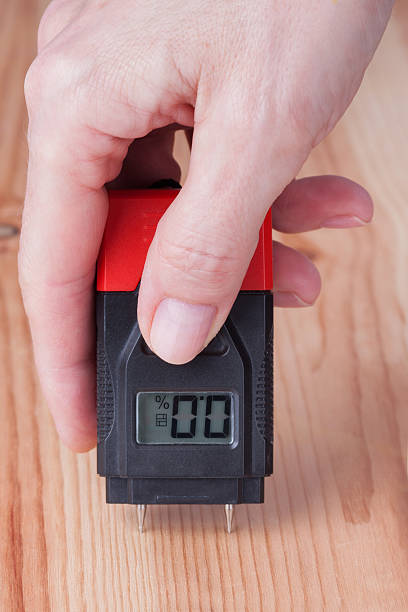

Published
September 22, 2026
by Joe Scerri, Owner
Hardwood flooring is a natural material, and its relationship with the surrounding environment does not end once the boards leave the manufacturer. Changes in temperature and relative humidity affect the amount of moisture within wood, which can cause flooring to expand or contract.
That is why proper acclimation and environmental control are important parts of a successful hardwood flooring installation.
At Scerri Quality Wood Floors, preparation begins before the first board is installed. The flooring, subfloor, and conditions inside the property all need to be considered to help create a floor that performs properly for years to come.
Acclimation is the process of allowing hardwood flooring to adjust to the environmental conditions where it will be installed.
A common misconception is that acclimation simply means delivering the flooring and leaving it inside the property for a set number of days. Time alone does not determine whether flooring is ready for installation.
Wood naturally exchanges moisture with the air around it. In more humid conditions, wood can absorb moisture and expand. In drier conditions, it can release moisture and contract.
The purpose of acclimation is to allow the flooring to reach a moisture condition appropriate for the environment in which it will be installed and maintained.
Before hardwood flooring is installed, the property should be reasonably close to the conditions it will experience during normal occupancy.
Heating and air-conditioning systems should be operating as appropriate for the space. If flooring is acclimated inside a building that is unusually hot, cold, humid, or dry, the wood may be adjusting to temporary construction conditions rather than the environment it will experience after the project is complete.
Consider a Manhattan apartment undergoing a summer renovation. If the air conditioning has been turned off for an extended period, the apartment may become warmer and more humid than it will be once the owners move back in.
Simply leaving hardwood flooring in that apartment does not necessarily mean the material is properly acclimated. Once the air conditioning is restored and the indoor environment changes, the flooring will respond to those new conditions.
The opposite can occur in a Westchester home during the winter, particularly if the property has been left without normal heating during a renovation.
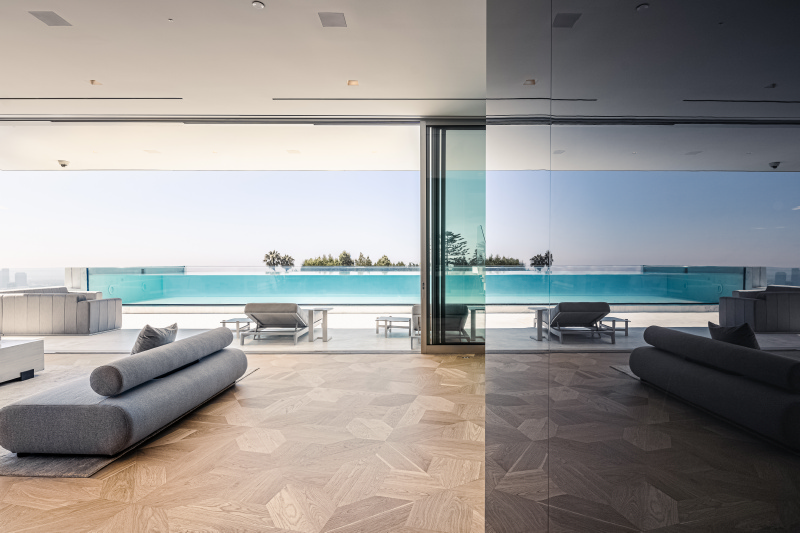
Temperature is important, but relative humidity has a particularly strong relationship with the moisture content of wood.
When indoor humidity increases, hardwood can gain moisture and expand. When the surrounding air becomes drier, the wood can lose moisture and contract.
If moisture conditions become excessive or change significantly, flooring may experience problems such as:
Some movement is a normal characteristic of genuine hardwood. A small amount of seasonal expansion and contraction does not automatically indicate a problem.
The goal of environmental control is not to prevent wood from moving altogether. Instead, it is to keep the flooring within appropriate conditions and limit extreme changes that can affect its appearance and performance.
There is no single acclimation period that is correct for every hardwood floor.
The appropriate process can depend on the flooring species, construction, manufacturer requirements, installation method, subfloor, job-site conditions, and moisture readings.
This is why professional acclimation involves more than checking how long the flooring has been sitting inside the building.
The installer needs to consider the condition of the flooring and the environment in which it will be installed. Manufacturer instructions should also be followed because acclimation requirements can vary between products.
In other words, the goal is proper conditions, not simply a certain number of days.
The construction of the flooring can also affect how it responds to environmental changes.
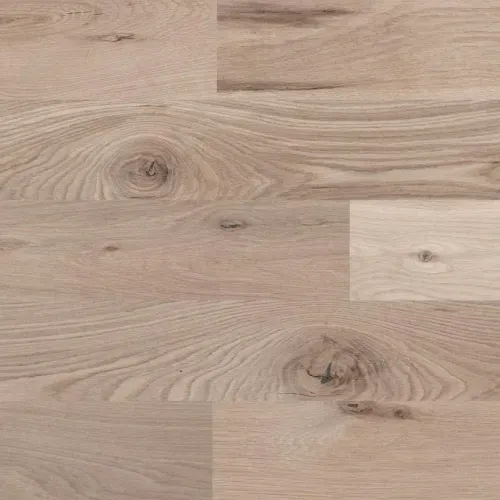
Solid hardwood is manufactured from a single piece of wood. Because of its construction, it can be more sensitive to significant changes in moisture and relative humidity.
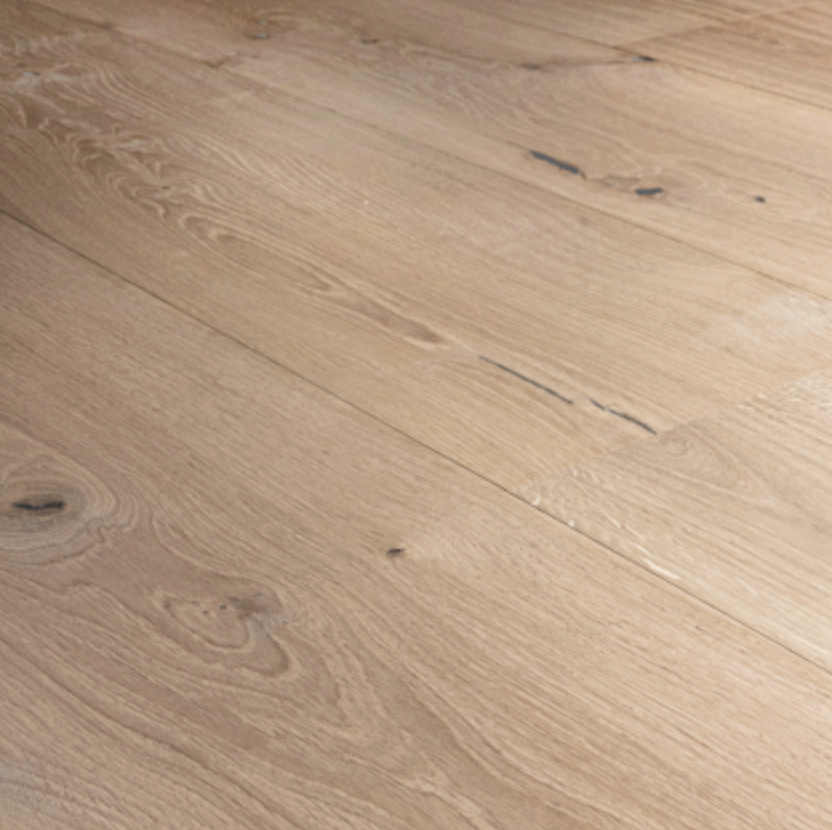
Engineered hardwood uses a real hardwood wear layer over a layered core. Its construction generally provides greater dimensional stability, making it suitable for a wider range of applications.
However, engineered does not mean unaffected by moisture.
Both solid and engineered hardwood should be stored, acclimated, and installed according to the requirements of the particular product. Choosing engineered flooring can provide additional stability in certain environments, but proper job-site preparation is still essential.
Properly acclimated flooring is only one part of a successful installation.
The condition of the subfloor also matters.
If the subfloor contains excessive moisture, installing properly conditioned hardwood over it can still create problems. Moisture conditions should therefore be evaluated before installation rather than focusing only on the flooring itself.
This is especially important during major renovations and new construction.
Concrete, plaster, paint, and other building materials can introduce moisture into a property as work progresses. A space may look finished while still having environmental conditions that are not appropriate for hardwood installation.
For this reason, hardwood flooring is generally installed toward the later stages of a construction or renovation project, once wet work is complete and the building environment can be properly controlled.
Acclimation prepares hardwood for installation, but homeowners also need to consider the environment after the project is complete.
Hardwood never stops responding to the air around it.
Large changes in indoor humidity from one season to another can cause noticeable movement in a floor, even if the original installation was performed correctly.
Maintaining reasonably consistent indoor conditions helps reduce those changes. The National Wood Flooring Association provides general environmental guidance for wood floors, while individual flooring manufacturers may specify different ranges for their products.
That last point is important: the manufacturer's requirements for the specific flooring should always be considered.
Environmental conditions can vary considerably from one property to another, which is especially relevant throughout Manhattan and Westchester.
In a Manhattan apartment, climate control may be influenced by the building itself. Central HVAC systems, seasonal heating schedules, apartment renovations, and limitations on individual temperature control can all affect the environment where flooring is being installed.
Westchester homes can present different challenges. A house may experience significant changes between humid New York summers and dry, heated winters. Larger renovations may also leave portions of the home without normal heating or air conditioning for extended periods.
Neither situation automatically creates a problem. It simply means the conditions of the individual property should be considered before the flooring is installed.
High-quality hardwood flooring can last for generations, but long-term performance begins with proper preparation.
Acclimation is not simply about bringing boxes of flooring inside and waiting. It involves understanding the material, evaluating the installation environment, checking moisture conditions where appropriate, preparing the subfloor, and following the requirements of the flooring manufacturer.
Temperature and humidity should also be considered before, during, and after installation.
Taking the time to create the right conditions can help reduce excessive movement, protect the appearance of the flooring, and give a hardwood floor the environment it needs to perform as intended.
Since 1984, Scerri Quality Wood Floors has worked with homeowners, designers, contractors, and property professionals throughout Manhattan and Westchester.
From selecting solid or engineered hardwood to preparing for installation, our team can help you understand what your flooring and your property require before the installation begins.

© 2026 Scerri Quality Wood Floors


