

Published
September 23, 2026
by Joe Scerri, Owner
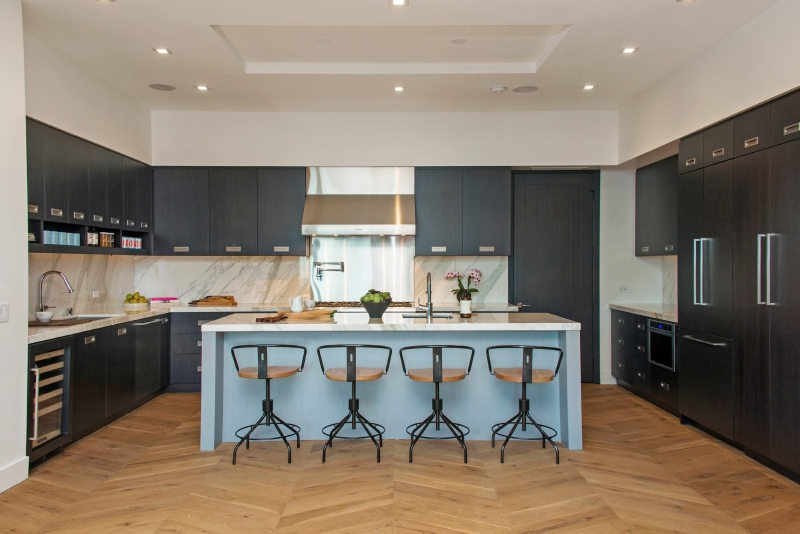
Hardwood flooring in a kitchen can completely change the feel of the space. It brings warmth, character, and continuity that tile and other hard surfaces often cannot match. In open-concept homes and apartments, using the same hardwood through the living areas and kitchen can also create a much more seamless appearance.
But kitchens are one of the most demanding areas for any wood floor. Spills, moisture, dropped utensils, chairs, pets, and constant foot traffic all put the floor to the test. So, is hardwood in the kitchen actually worth it?
For many homeowners, the answer is yes, as long as the right flooring, finish, and maintenance approach are used.
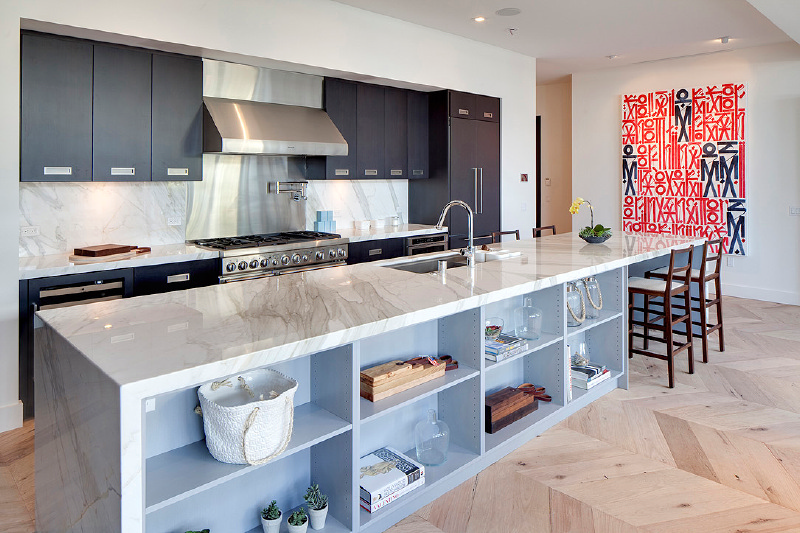
Modern hardwood floors can perform very well in kitchens. The bigger concern is not an occasional splash of water or spilled drink. It is moisture that is allowed to remain on or underneath the floor for an extended period.
Water around a dishwasher, refrigerator, sink, or plumbing connection should always be addressed quickly. A slow leak that goes unnoticed can cause significantly more damage than normal everyday spills.
Wood also naturally expands and contracts as indoor humidity changes. Proper installation, acclimation, and control of the home's environment are especially important when hardwood is installed in a kitchen.
Both solid and engineered hardwood can be used in kitchens, but the conditions of the home should influence the choice.
Solid hardwood offers the traditional construction many homeowners want and can typically be sanded and refinished multiple times throughout its life. When installed correctly in a stable environment, it can be an excellent kitchen floor.
Engineered hardwood uses multiple layers beneath a real hardwood wear layer. This construction can provide greater dimensional stability when environmental conditions change, making high-quality engineered flooring an attractive option for kitchens and open-concept spaces.
The quality of the product matters. A well-made engineered floor with a substantial wear layer is very different from inexpensive flooring with a thin wood surface.
For unfinished hardwood installed in a kitchen, the finish is one of the most important decisions.
Polyurethane finishes create a protective film over the surface of the wood. High-quality waterborne and oil-based polyurethane systems can provide strong protection against everyday wear, spills, and foot traffic when properly applied and maintained.
Waterborne polyurethane has become especially popular because of its durability, clarity, and faster drying times. Oil-based polyurethane provides a durable surface as well and can add a warmer, amber tone to the wood.
Hardwax and penetrating oil finishes take a different approach. Instead of creating the same type of surface film as polyurethane, these products penetrate and protect the wood while maintaining a more natural appearance and feel.
Oil-finished floors can work beautifully in kitchens, but homeowners should understand the maintenance requirements. Depending on the product and amount of traffic, periodic cleaning, refreshing, or recoating may be necessary to maintain protection.
There is no single finish that is right for every kitchen. The best choice depends on the desired appearance, wood species, household traffic, and how much maintenance the homeowner is comfortable performing.

A properly finished hardwood floor should be able to handle normal kitchen life. A glass of water spilling does not mean the floor is ruined.
The important part is cleaning spills promptly rather than allowing liquid to sit for hours. Areas around the sink and dishwasher deserve particular attention because repeated exposure to water can eventually wear down the finish or allow moisture to reach seams between boards.
Protective mats can be useful in particularly high-use areas, although they should be breathable and periodically moved so moisture is not trapped underneath.
Kitchens see a lot of movement. Chairs slide, objects fall, pets run through, and people frequently walk the same paths between appliances and countertops.
Some wear is inevitable with a natural material like wood. Choosing an appropriate species and finish can help, but homeowners should also consider how they want the floor to age.
One advantage of real hardwood is that wear does not necessarily mean replacement. Depending on the flooring and finish system, hardwood can often be recoated, repaired, or eventually sanded and refinished.
If you want a completely waterproof surface that requires minimal thought after installation, hardwood may not be the ideal choice.
But if you value the natural appearance of real wood, want continuity between your kitchen and surrounding living spaces, and are willing to clean spills promptly and maintain the finish, hardwood can be an excellent kitchen flooring option.
At Scerri Quality Wood Floors, we help homeowners throughout Manhattan and Westchester select hardwood flooring, installation methods, and finishes suited to the conditions of their homes. The goal is not simply to make a kitchen floor look beautiful on installation day, but to build a floor designed to perform for years to come.

© 2026 Scerri Quality Wood Floors


