
.jpg)

Published
October 14, 2026
by Joe Scerri, Owner
A successful hardwood flooring installation involves much more than selecting quality materials and hiring experienced installers. Proper planning, organization, and jobsite management are equally important to achieving a professional result.
Whether working in a Manhattan apartment or a Westchester home, a poorly organized jobsite can lead to unnecessary delays, damaged materials, and costly repairs.
Understanding how careful preparation and coordination protect both the flooring and the surrounding property helps explain why jobsite management should never be overlooked.
.jpg)
An organized flooring project starts well before the first board is installed.
Contractors must consider material deliveries, storage locations, installation schedules, and access to the work areas.
In Manhattan apartment buildings, additional coordination may be necessary for service elevators, building regulations, delivery windows, and permitted working hours.
Planning these details in advance helps prevent disruptions and ensures that installers can work efficiently once the project begins.
Without a clear plan, materials may arrive before the space is ready, equipment can obstruct working areas, and unnecessary delays can quickly accumulate.
One of the most important responsibilities during any flooring project is protecting the areas that are not being renovated.
Walls, door frames, cabinetry, countertops, elevators, and neighboring rooms can all be vulnerable to accidental damage during material transportation and installation.
Protective coverings, careful material handling, and designated pathways help reduce these risks.
In occupied residences, special attention should be given to furniture, finished surfaces, and areas that homeowners continue to use throughout the renovation.
A professional installation should improve the property without creating unnecessary damage elsewhere.
Hardwood flooring materials must be stored and handled according to the manufacturer's recommendations.
Wood is sensitive to environmental conditions, making temperature, humidity, and moisture considerations especially important before installation.
Materials should be kept in appropriate conditions, protected from moisture, and positioned where they will not interfere with ongoing work.
Improper storage can expose flooring to unnecessary damage or unsuitable environmental conditions before installation even begins.
Organized material placement also reduces the amount of handling required, lowering the risk of scratched finishes, damaged edges, and broken boards.
One of the most frustrating and avoidable problems during a renovation is damage to flooring that has already been installed.
Heavy equipment, dropped tools, construction debris, and repeated foot traffic can scratch or dent finished hardwood surfaces.
When multiple trades are working in the same property, careful scheduling becomes essential.
Whenever possible, flooring installation should be coordinated with other construction activities to minimize exposure to unnecessary traffic and damage.
Once the flooring is ready for protection, appropriate floor coverings should be installed according to the flooring and finish manufacturers' instructions.
Protective materials must also be selected carefully, as unsuitable tapes, coverings, or trapped debris can damage the finish they are intended to protect.
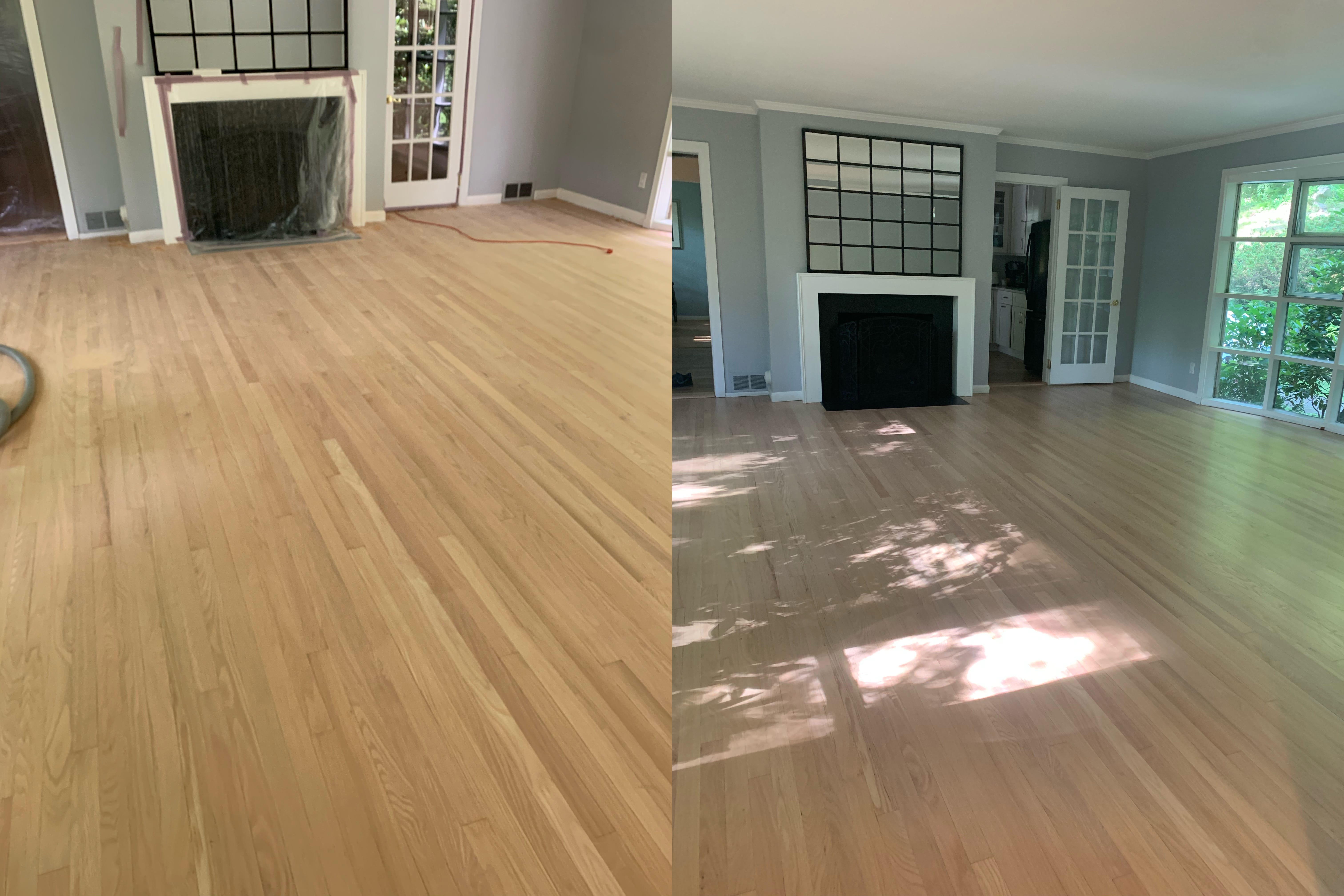
A cluttered jobsite does more than create an unprofessional appearance.
Tools, packaging, unused materials, and construction debris can obstruct movement and increase the risk of accidents or damage.
Maintaining clear walkways and designated storage areas allows installers to work more efficiently.
Regular cleanup also helps prevent dust, grit, and debris from being tracked across completed flooring or into other parts of the property.
In apartment renovations, controlling dust and maintaining clean common areas is particularly important for respecting neighboring residents and building requirements.
A clean workspace contributes to safer working conditions and a more controlled installation process.
Hardwood flooring installation is often one stage of a larger renovation involving painters, electricians, plumbers, cabinet installers, and other trades.
Without proper communication, scheduling conflicts can create unnecessary problems.
For example, installing hardwood before certain heavy construction activities are complete may expose the finished surface to avoidable damage.
Likewise, delays in subfloor preparation or other prerequisite work can affect the flooring installation schedule.
Establishing a clear sequence of work and communicating with other contractors helps reduce these risks.
Successful coordination ensures that each trade can complete its responsibilities without compromising the work of others.
Disorganization can create expenses that extend well beyond the original flooring installation.
Damaged boards may require replacement, finished surfaces may need repairs, and scheduling conflicts can result in additional labor costs.
Even relatively minor mistakes can become expensive when they affect completed work or require multiple contractors to return to the property.
Proper planning cannot eliminate every unexpected issue, but it significantly reduces the likelihood of preventable problems.
An organized project helps protect the customer's investment while allowing work to progress more predictably.
Quality hardwood flooring installation is not measured solely by the appearance of the finished floor.
The care taken to protect the property, organize materials, coordinate contractors, and maintain a clean workspace is equally important.
At Scerri Quality Wood Floors, we recognize that every project requires careful planning and attention to detail.
Serving Manhattan and Westchester since 1984, we understand the importance of respecting our customers' properties while delivering quality hardwood flooring installations.
From initial preparation through the final stages of installation, proper organization helps create a smoother renovation experience and a finished floor that homeowners can enjoy for years to come.

© 2026 Scerri Quality Wood Floors


