

Published
September 13, 2026
by Joe Scerri, Owner
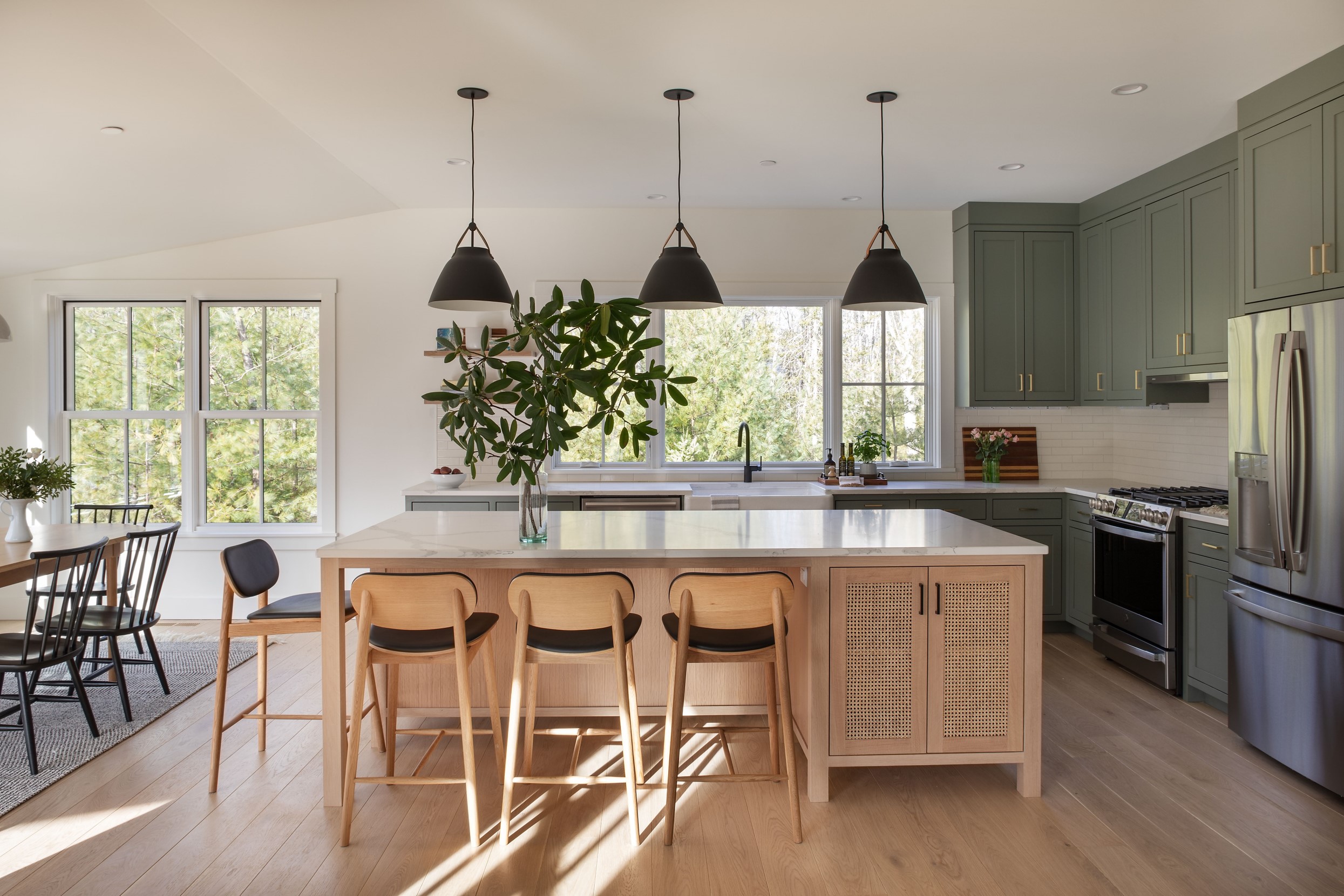
For decades, the traditional approach to installing a new hardwood floor was simple: unfinished wood was installed, sanded, stained, and finished inside the home. This process is still one of the best ways to create a completely customized hardwood floor, but it is no longer the only way to achieve a high-end result.
Prefinished hardwood flooring has changed significantly. Today, homeowners can choose from wide-plank European oak, long lengths, different grades, natural textures, sophisticated colors, and high-quality factory-applied finishes.
As the quality and variety of these products have improved, more homeowners, designers, and builders are choosing prefinished hardwood over traditional sanding and finishing.
So, why is prefinished hardwood flooring becoming so popular?
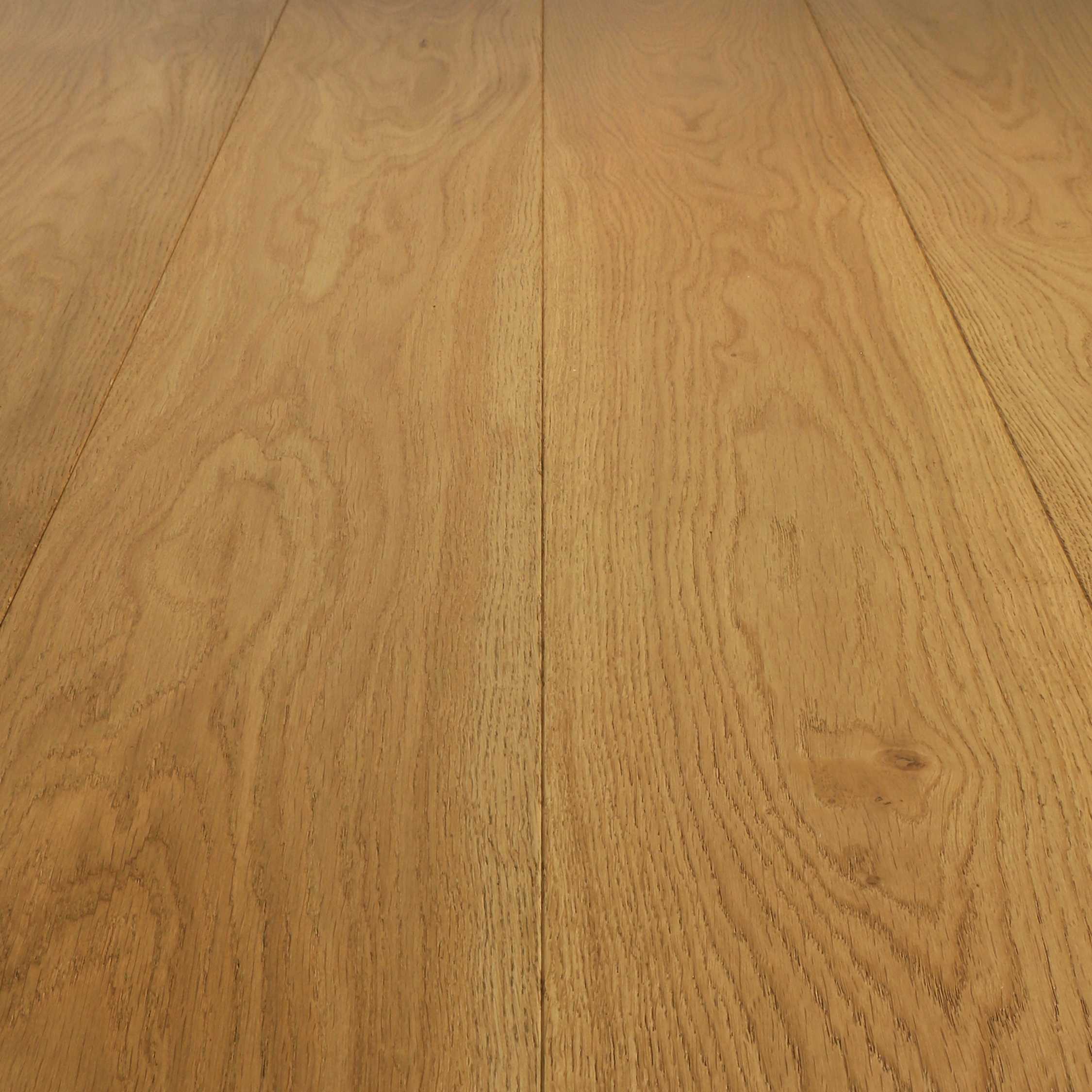
Prefinished hardwood flooring is sanded, colored, and finished by the manufacturer before it arrives at the project.
With traditional unfinished flooring, raw wood is installed first. The floor must then be sanded before stain and protective finishes can be applied. Depending on the desired appearance and finish system, multiple steps may be required before the floor is ready for normal use.
Prefinished flooring eliminates most of this on-site work. The boards arrive with their finished appearance already established and can be installed without sanding, staining, and finishing the entire floor afterward.
That difference can have a major impact on the timeline and overall experience of a flooring project.
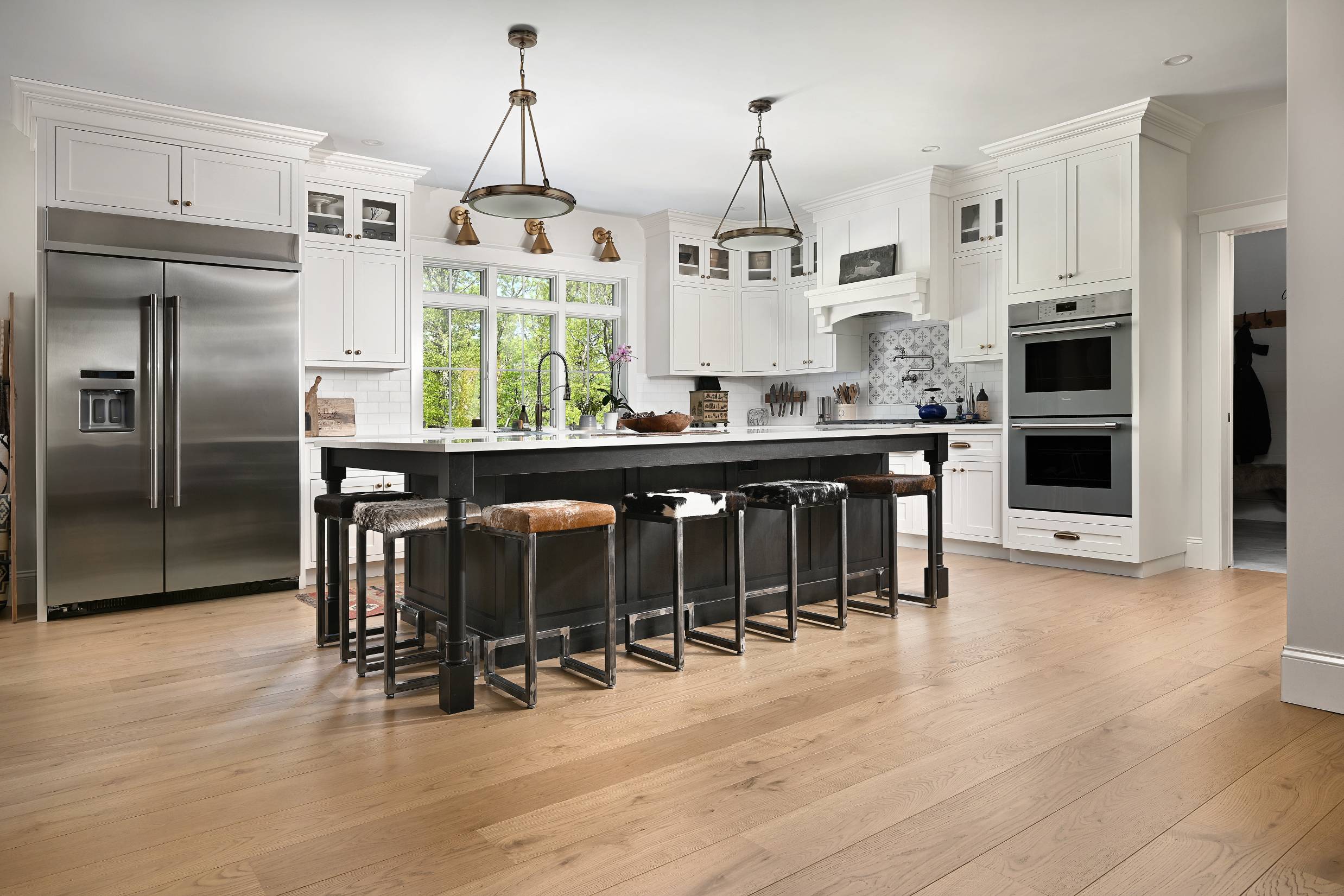
One of the biggest reasons homeowners choose prefinished flooring is speed.
Installing unfinished hardwood is only the first stage of the project. Once installation is complete, the floor still needs to be sanded, stained if desired, and finished. Drying and curing time must also be considered before the room can return to normal use.
Prefinished flooring removes most of these additional steps.
Once the flooring is properly installed, there is no need to sand and finish the entire surface on-site. For homeowners working within a tight renovation schedule, this can make prefinished flooring particularly attractive.
Faster installation also means less disruption, which can be especially valuable in occupied homes, apartments, and condominiums.
Sanding and finishing requires equipment, preparation, and additional time inside the property. Furniture needs to remain out of the work area, access to rooms can be limited, and homeowners have to work around the finishing and curing schedule.
While modern professional sanding equipment can control a significant amount of dust, sanding remains another construction process taking place inside the home.
Prefinished flooring eliminates the sanding, staining, and finishing stages of a new installation.
This can be particularly valuable in Manhattan apartments, where space is limited and building access, work hours, elevators, and other renovation logistics can make projects more complicated.
One of the biggest reasons for the growth of prefinished hardwood is simply that the products have gotten better.
Years ago, prefinished flooring was often associated with fewer colors, narrower boards, shorter lengths, and a more standardized appearance. Homeowners looking for a highly customized or luxury floor frequently preferred unfinished wood.
Today, that distinction is much smaller.
Premium manufacturers offer wide-plank European white oak, long lengths, character and select grades, wire-brushed textures, natural matte finishes, and an extensive range of colors.
Homeowners can now achieve a high-end appearance without necessarily having to create that appearance through an on-site staining and finishing process.
.jpg)
Prefinished flooring also provides greater predictability.
With site-finished flooring, samples can provide a good representation of the intended color, but the final appearance may vary. Hardwood is a natural material, and differences in grain, sanding, stain absorption, lighting, and finish can influence the result.
With prefinished flooring, the color, texture, and sheen have already been established by the manufacturer.
There will still be natural variation between boards, which is part of the character of real hardwood, but homeowners and designers have a clearer idea of what the completed floor will look like before installation begins.
This can be especially useful when coordinating flooring with cabinetry, furniture, stone, paint colors, and other interior finishes.
Another advantage of prefinished hardwood is the controlled environment in which the finish can be applied.
Manufacturers can carefully control the application and curing process at their facilities. Depending on the manufacturer and product, these factory-applied finish systems can provide excellent resistance to everyday wear.
That does not mean every prefinished floor is automatically more durable than a site-finished floor. Product quality, the specific finish system, installation, maintenance, and conditions inside the home all affect long-term performance.
However, high-quality prefinished flooring from reputable manufacturers can provide excellent durability while maintaining the natural appearance expected from a premium hardwood floor.
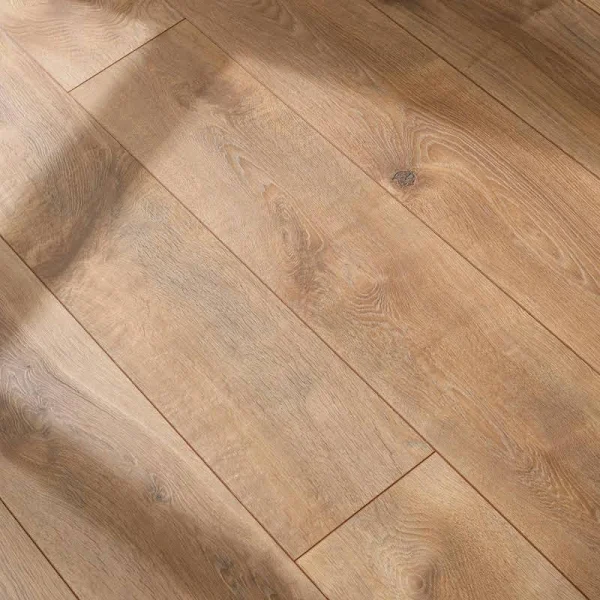
The growth of engineered hardwood has also played a major role in the popularity of prefinished flooring.
Engineered hardwood uses a genuine hardwood wear layer over a multi-layer construction. Unlike laminate or other wood-look products, the visible surface is real hardwood.
High-quality engineered construction allows manufacturers to produce wide-plank floors with greater dimensional stability than many traditional solid hardwood applications.
This fits particularly well with current interior design preferences.
Wide-plank European white oak, longer lengths, natural colors, character, and lower-sheen finishes have become popular choices for luxury residential interiors. Many premium prefinished collections are designed specifically around these styles.
As a result, homeowners no longer have to choose site-finished flooring simply because they want a high-end appearance.
The selection of prefinished hardwood available today is dramatically larger than it once was.
Depending on the manufacturer and collection, homeowners can choose from clean select-grade floors, character-grade wood with knots and natural variation, European or American white oak, wide planks, long lengths, wire-brushed textures, and finishes ranging from light natural tones to deeper browns.
Premium manufacturers such as Riva, Mirage, and Duchateau have expanded the range of prefinished hardwood available to homeowners and designers.
Instead of creating every aspect of the floor's appearance on-site, homeowners can explore finished collections and choose a product that complements the overall design of the home.
Not necessarily.
The growing popularity of prefinished flooring does not mean traditional unfinished hardwood has become obsolete. There are still many situations where sanding and finishing on-site may be the better choice.
Site finishing provides an exceptional level of customization. A stain can be developed specifically for the home, existing hardwood can often be matched more closely, and custom borders, patterns, inlays, and transitions can be incorporated into the project.
Site-finished flooring can also provide a continuous surface without the small factory bevels commonly found between prefinished boards.
These advantages can be particularly important in historic homes, restorations, custom residences, and projects where new flooring needs to integrate seamlessly with existing woodwork.
For homeowners who want maximum control over the finished appearance, traditional unfinished hardwood remains an excellent option.
The right choice depends on the project.
Prefinished hardwood may be a better fit for homeowners who prioritize faster installation, less disruption, a predictable finished appearance, wide-plank engineered construction, and the ability to choose from established colors and textures.
Site-finished hardwood may make more sense when the project requires a completely custom stain, matching existing flooring, custom patterns or borders, restoration work, or maximum control over the final appearance.
Neither approach is universally better. They solve different problems.
Perhaps the biggest reason prefinished flooring continues to grow in popularity is that homeowners no longer have to make the same compromises they once did.
Modern prefinished hardwood can offer wide planks, long lengths, premium wood species, natural textures, sophisticated colors, and high-quality finishes while significantly reducing the amount of work that needs to take place inside the home.
For many homeowners, the combination of appearance, convenience, durability, and installation speed makes it an attractive alternative to traditional site finishing.
Site-finished hardwood will always have an important place in the flooring industry, particularly when customization and restoration are priorities. But for new installations, today's premium prefinished floors offer more options than ever before.
At Scerri Quality Wood Floors, we have worked with hardwood flooring in Manhattan and Westchester since 1984. We install both prefinished and unfinished hardwood flooring, allowing us to recommend an option based on the needs of the project rather than limiting homeowners to one approach.
Every home is different. Existing flooring, subfloor conditions, design preferences, building requirements, project timelines, and long-term expectations should all be considered when choosing a floor.
Whether you are considering a wide-plank prefinished European oak floor or a completely custom sanded and finished hardwood floor, the right choice starts with understanding your space and what you want from the finished result.
Contact Scerri Quality Wood Floors to schedule a complimentary consultation and explore the hardwood flooring options available for your Manhattan or Westchester home.

© 2026 Scerri Quality Wood Floors


