
.jpg)

Published
September 27, 2026
by Joe Scerri, Owner
For years, cool gray dominated interior design. Gray-stained hardwood, white walls, and cool-toned finishes became a familiar combination in everything from city apartments to newly renovated homes.
But flooring preferences are changing.
Homeowners and designers are increasingly moving away from cool, washed-out grays and toward warmer, more natural wood tones. Soft caramel, sandy beige, honey, and natural oak finishes are bringing warmth back into interiors while allowing the character of the wood itself to become more visible.
Gray flooring became popular because it worked easily with the clean, neutral interiors that defined much of modern residential design. It provided a contemporary look without committing to the darker browns and reddish stains commonly associated with traditional hardwood.
Over time, however, heavily gray interiors could begin to feel cold or overly uniform, especially when gray floors were combined with gray furniture, cabinetry, and other cool finishes.
Today's interiors are trending toward spaces that feel warmer and more natural. Hardwood flooring is playing a major role in that transition.
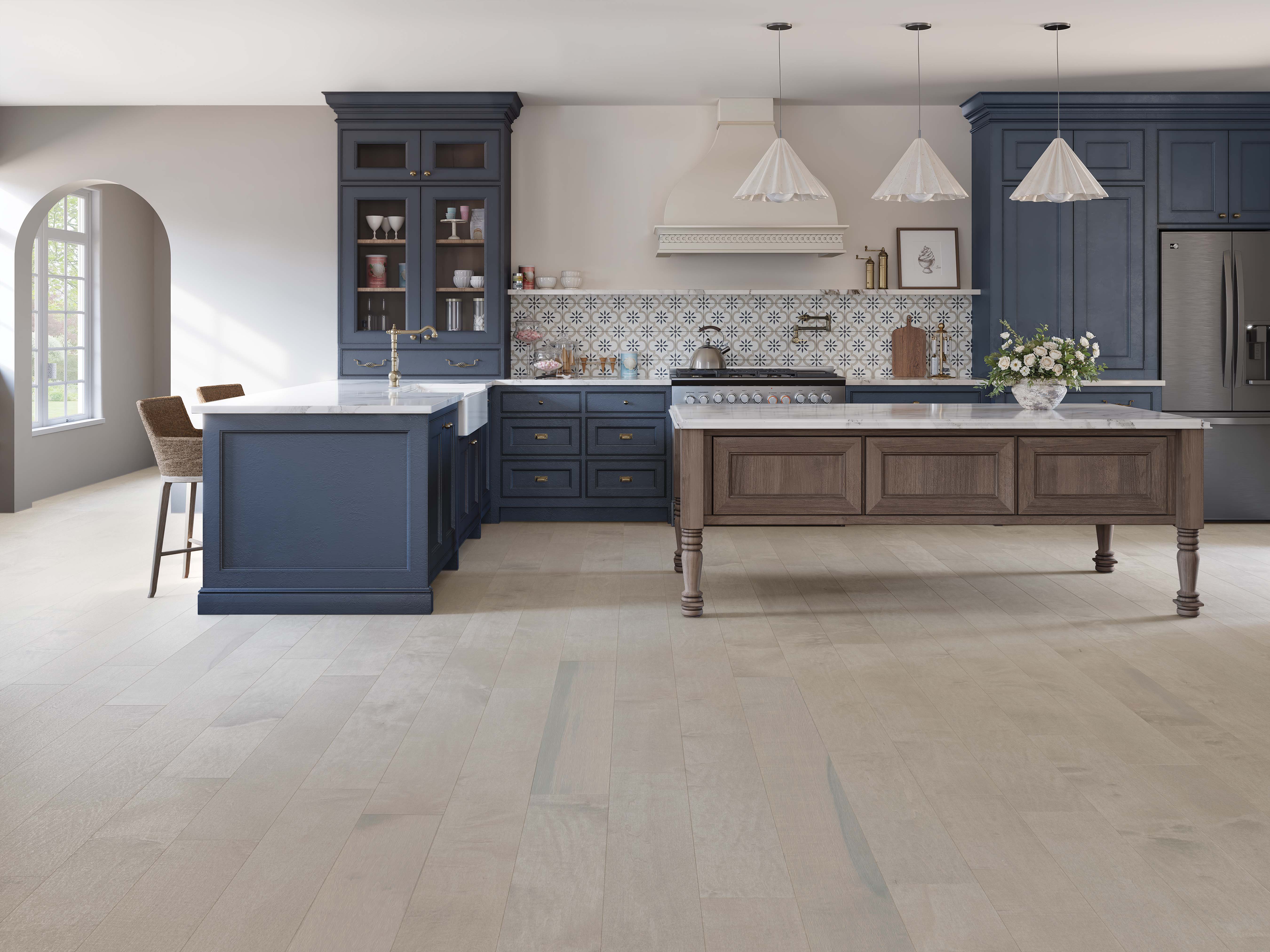
Instead of covering the natural color of hardwood with a strong gray stain, many homeowners are choosing finishes that complement the wood's existing tones.
White oak is particularly well suited to this look. Depending on the finish, it can produce everything from a light sandy beige to warmer honey and caramel tones while still allowing its grain and natural variation to remain visible.
The goal is not necessarily to make the floor dark or traditionally brown. Many of today's most popular warm floors remain relatively light. The difference is in the undertone.
A soft beige or natural oak floor can still create the bright, open appearance homeowners liked about gray flooring without making the room feel as cool.
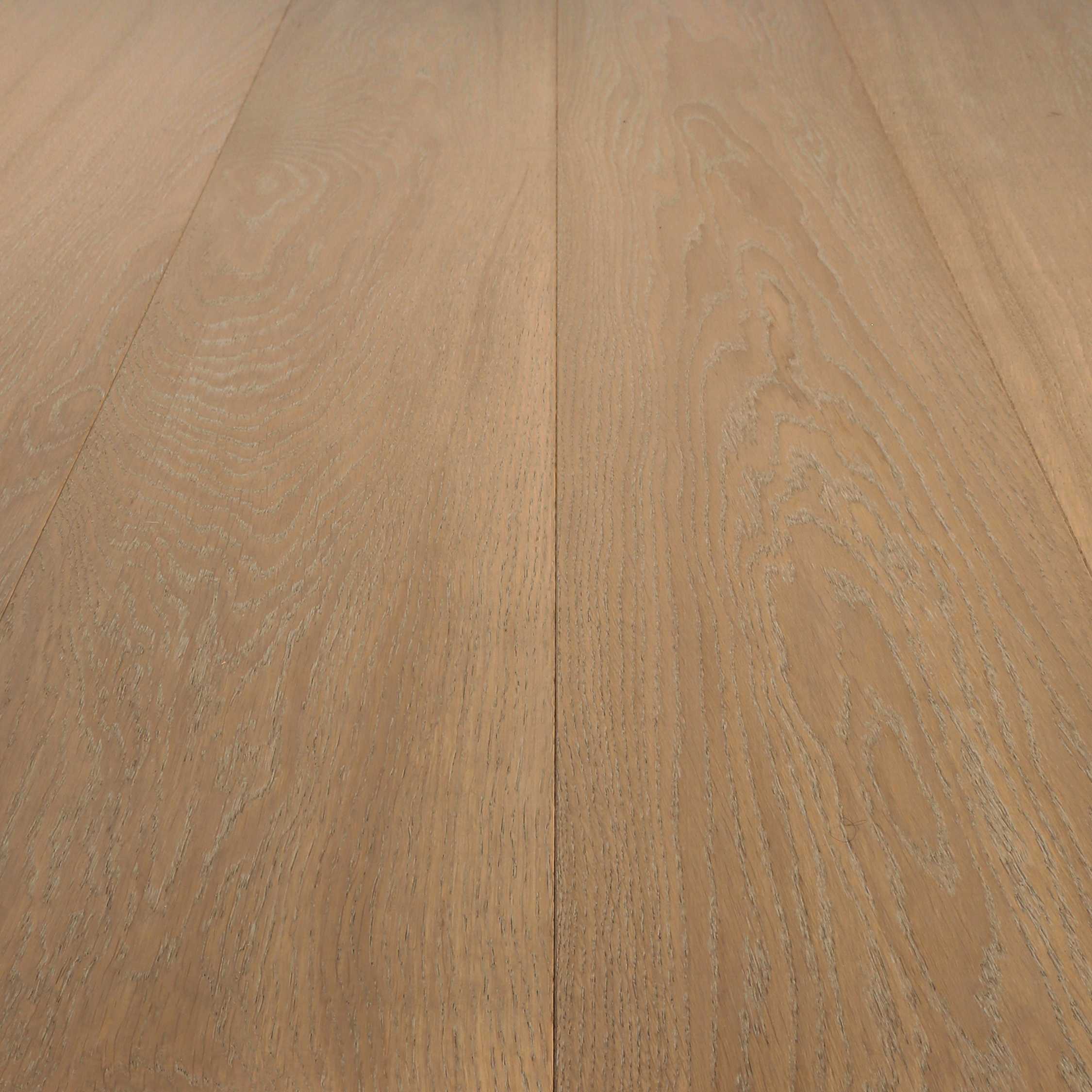
One reason natural wood tones work so well is their versatility.
Wide-plank white oak with a natural matte finish can look completely at home in a modern Manhattan apartment. The same species with a slightly warmer finish can complement a more traditional Westchester home.
Warm flooring also pairs naturally with many materials being used in today's interiors, including stone, marble, warm metals, natural fabrics, and wood cabinetry.
Rather than competing with those materials, the floor becomes a foundation for the rest of the room.
There is still no single color that works for every home.
Lighting, wall colors, cabinetry, furniture, wood species, and even plank width can change how a floor appears once it is installed. A sample that looks sandy beige in one room may appear considerably warmer in another.
That is why flooring and finish samples should always be evaluated in the actual space whenever possible.
At Scerri Quality Wood Floors, we work with homeowners, designers, and builders throughout Manhattan and Westchester to select wood species, stains, and finishes that complement the surrounding interior.
Trends will continue to change, but the renewed interest in natural color highlights one of hardwood's greatest strengths: sometimes the best design decision is simply allowing real wood to look like real wood.

© 2026 Scerri Quality Wood Floors


