

Published
October 25, 2026
by Joe Scerri, Owner
Engineered hardwood flooring has become a popular choice for residential projects, offering the natural beauty of genuine wood with the benefits of a layered construction.
However, not all engineered hardwood flooring is manufactured to the same standards.
Two products may feature the same wood species, similar colors, and identical plank dimensions while differing significantly in construction quality, stability, and long-term performance.
Understanding what separates premium engineered hardwood flooring from lower-quality alternatives can help homeowners make more informed decisions when investing in their floors.
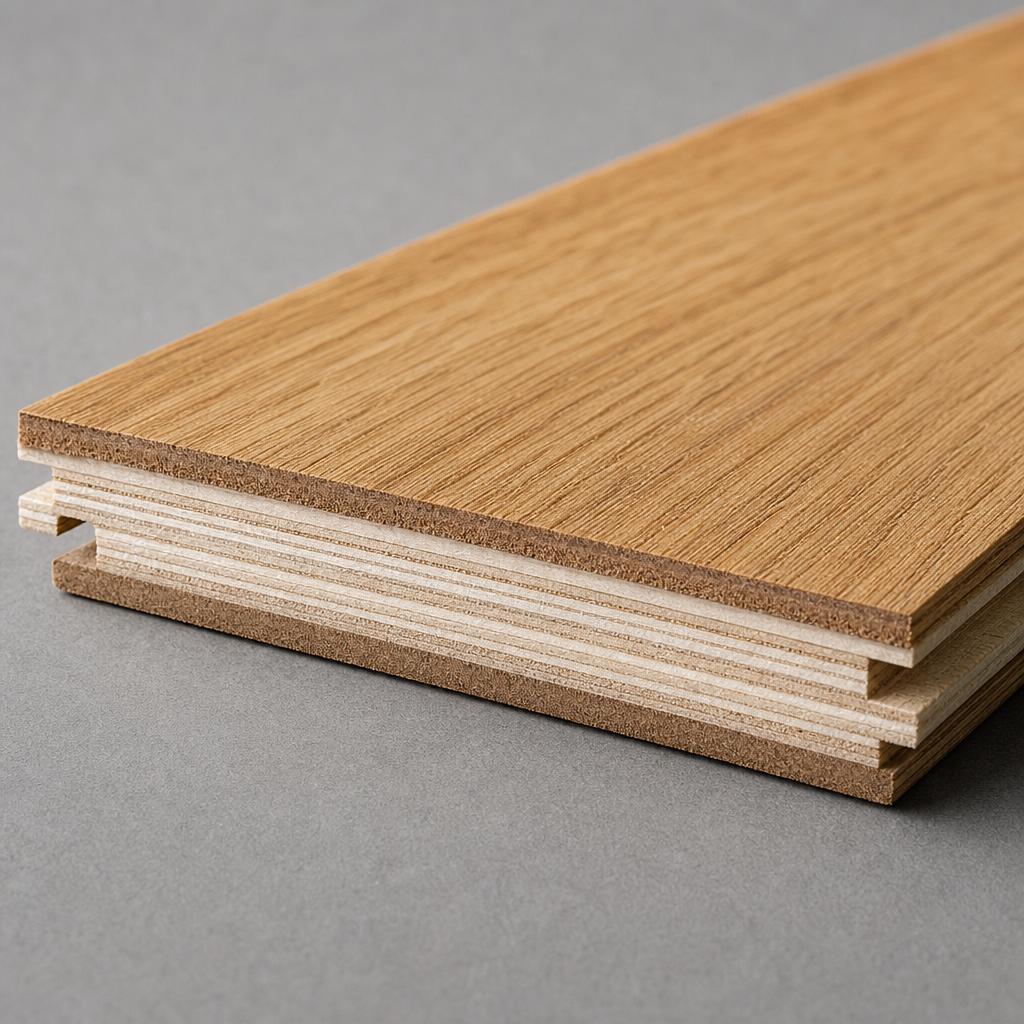
Unlike solid hardwood flooring, which is manufactured from a single piece of wood, engineered hardwood consists of a genuine hardwood surface bonded to a supporting core.
This layered construction is designed to improve dimensional stability by reducing the effects of natural wood movement.
Engineered hardwood flooring may feature multiple layers of plywood, a high-density fiberboard core, or other specialized constructions.
The quality of these materials, their arrangement, and the manufacturing process all contribute to the performance of the finished product.
A high-quality engineered hardwood floor should be evaluated as a complete system rather than simply by its appearance.
One of the most significant differences between engineered hardwood products is the material used beneath the hardwood surface.
Multi-Ply Plywood Cores
Many premium engineered hardwood floors feature multiple layers of wood veneer bonded together, often with alternating grain directions.
This cross-layered construction helps limit dimensional movement as temperature and humidity conditions change.
The quality of the plywood, consistency of the individual layers, and strength of the bonding process are important considerations.
High-Density Fiberboard Cores
Some engineered hardwood products use high-density fiberboard (HDF) as their supporting core.
HDF can provide a dense, uniform substrate with consistent manufacturing dimensions.
However, its performance depends on the quality of the material, moisture resistance, and intended installation conditions.
Other Engineered Constructions
Certain manufacturers use specialized cores or alternative layered constructions designed for specific performance requirements.
No single core material guarantees superior quality in every application.
The most important consideration is whether the complete construction is appropriate for the intended environment and installation method.
The wear layer is the genuine hardwood surface of an engineered flooring plank.
Its thickness can influence the floor's potential for future sanding and refinishing.
Some products feature relatively thin hardwood veneers, while others incorporate thicker layers that may offer greater restoration flexibility.
However, a thicker wear layer does not automatically make a floor more resistant to scratches or dents.
Surface performance also depends on the wood species, finish, and everyday maintenance.
Homeowners should evaluate wear layer thickness alongside the manufacturer's specifications and the overall construction of the product.
For a more detailed explanation, see our guide to Understanding Hardwood Flooring Wear Layers.
The adhesives used to bond the layers of engineered hardwood flooring are another important component of product quality.
These bonding systems must maintain the integrity of the flooring under the environmental conditions for which the product is designed.
Poor bonding or manufacturing defects can contribute to delamination, where layers begin separating from one another.
Reputable manufacturers use controlled production processes and appropriate testing to evaluate the strength and consistency of their products.
Manufacturing precision also affects plank dimensions, milling accuracy, and how individual boards fit together during installation.
Consistent tongue-and-groove or locking profiles help installers achieve proper alignment and a uniform finished appearance.
The quality of an engineered hardwood floor extends beyond its internal construction.
Factory-applied finishes influence appearance, maintenance requirements, and resistance to everyday surface wear.
Depending on the manufacturer, engineered hardwood flooring may feature UV-cured urethane finishes, oil-based treatments, or other specialized finishing systems.
Each offers different characteristics regarding appearance, repairability, and maintenance.
A high-quality finish should be appropriate for the intended use of the flooring and supported by clear manufacturer care instructions.
The thickness of the hardwood surface and the durability of the finish are separate characteristics, and both deserve consideration.
One of the primary advantages of engineered hardwood flooring is its ability to limit dimensional movement compared with many solid hardwood products.
However, engineered flooring is still a wood product and remains sensitive to environmental conditions.
Changes in moisture content, temperature, and relative humidity can affect its performance.
High-quality construction helps manage these changes, but it does not eliminate the need for proper moisture testing, environmental controls, and installation practices.
Manufacturers establish specific requirements for acceptable site conditions and installation methods.
Following these guidelines is essential to achieving the performance the flooring was designed to provide.
When evaluating engineered hardwood flooring, the manufacturer's experience, quality control, and product documentation deserve attention.
Established manufacturers often provide detailed technical specifications covering construction, installation requirements, environmental limitations, and maintenance.
These details allow homeowners and flooring professionals to make more informed comparisons.
Product warranties can also provide useful information, although their coverage, exclusions, and conditions vary considerably.
Rather than relying exclusively on marketing claims or the appearance of a small sample, customers should consider the manufacturer's reputation and the technical characteristics of the flooring.
Selecting a high-quality engineered hardwood floor involves balancing several important factors.
Wood species, wear layer thickness, core construction, finish quality, and manufacturing consistency should all be considered.
The installation environment is equally important.
A product suitable for one application may not be the best choice for another, particularly when dealing with concrete substrates, radiant heating, or specific building requirements.
For homeowners investing in premium hardwood flooring, understanding these differences helps ensure that material selection is based on more than appearance alone.
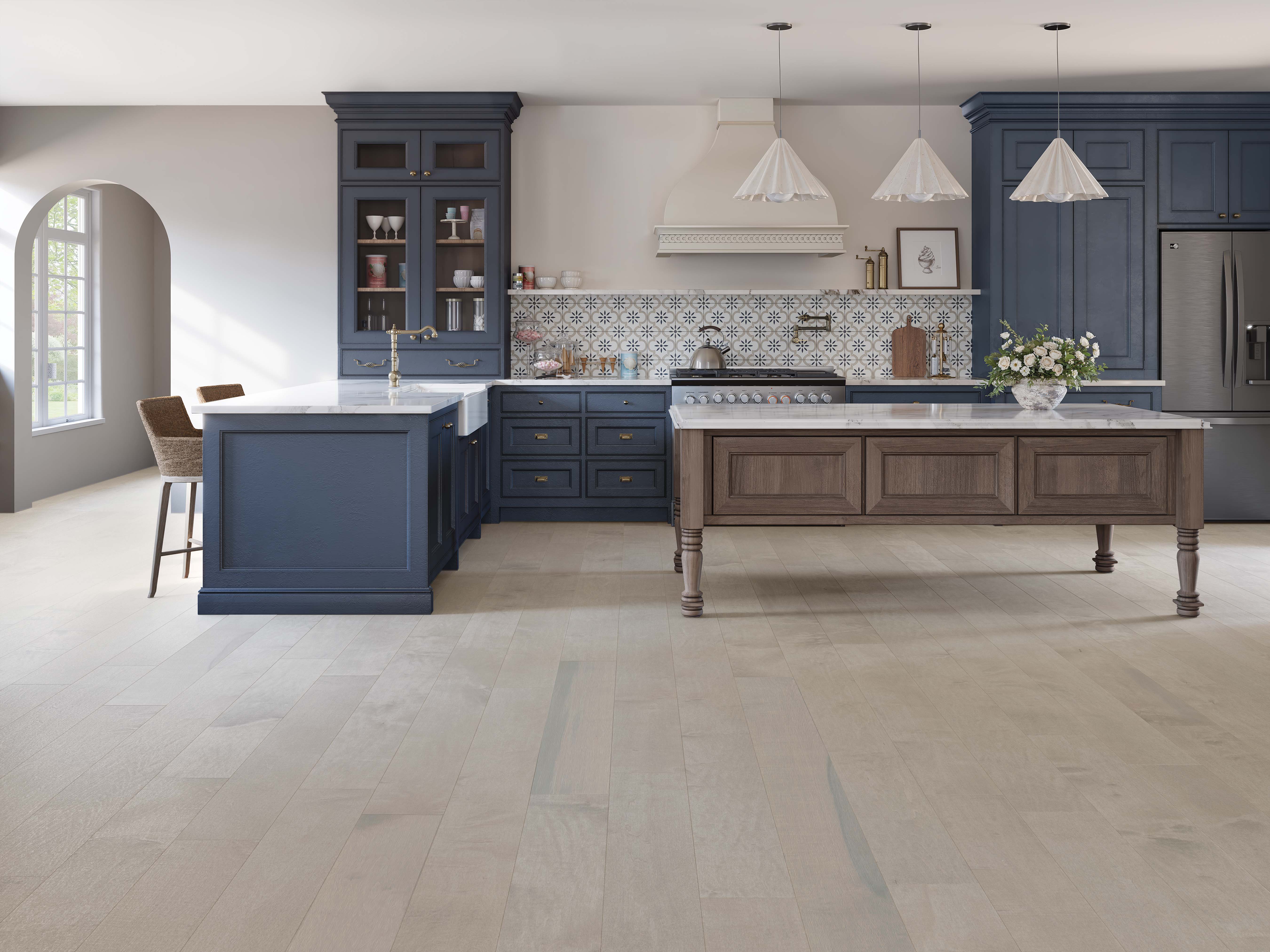
A high-quality engineered hardwood floor is the result of thoughtful material selection, precise manufacturing, and proper installation.
While appearance is often the first consideration, the construction beneath the surface plays an equally important role in long-term performance.
At Scerri Quality Wood Floors, we help homeowners, architects, designers, and contractors evaluate premium hardwood flooring options for projects throughout Manhattan and Westchester County.
From engineered hardwood products to custom solid wood flooring, our focus is on selecting materials that combine appearance, performance, and long-term value.
Contact Scerri Quality Wood Floors to explore hardwood flooring options for your next residential project.

© 2026 Scerri Quality Wood Floors


