

Published
September 16, 2026
by Joe Scerri, Owner
Gaps, cracks, nail holes, and small imperfections are common in hardwood flooring, especially in older Manhattan apartments, townhouses, and pre-war buildings. When homeowners notice these imperfections, wood filler often seems like the obvious solution.
But should every gap in a hardwood floor be filled?
Not necessarily.
Wood filler can be extremely useful during hardwood floor repair and refinishing, but using it in the wrong situation can lead to cracking, loosening, or filler eventually popping back out.
The most important step is understanding why the gap exists in the first place.
Wood filler is primarily used to repair small cosmetic imperfections in hardwood flooring. Common uses include:
During a professional refinishing project, filler can help create a smoother and more consistent surface before the floor receives its final sanding, stain, and finish.
However, wood filler is not meant to solve structural problems, loose flooring, or excessive movement.
Small gaps that remain relatively consistent throughout the year may be good candidates for filler.
The important part is determining whether the gap is actually permanent. A gap that remains open throughout the seasons is very different from one that appears every winter and closes again during the summer.
Refinishing is one of the most common times to use wood filler.
Once the existing finish has been sanded away, small cracks, nail holes, and imperfections become easier to identify. Appropriate areas can be filled before additional sanding creates a more uniform surface.
For older Manhattan hardwood floors, this can be particularly useful when restoring flooring that has accumulated small imperfections over decades of use.
Filler can also work well for nail holes, small cracks, and minor surface damage.
If the surrounding wood is stable, filling the damaged area can often make it considerably less noticeable without requiring an entire floorboard to be replaced.
One of the biggest mistakes is assuming that every space between hardwood boards needs to be filled.
Hardwood naturally expands and contracts as moisture conditions change.
During Manhattan winters, heating systems can significantly dry the indoor air. As hardwood loses moisture, the boards can contract and small gaps may appear.
When humidity rises again, those boards can expand and the gaps may become smaller or disappear.
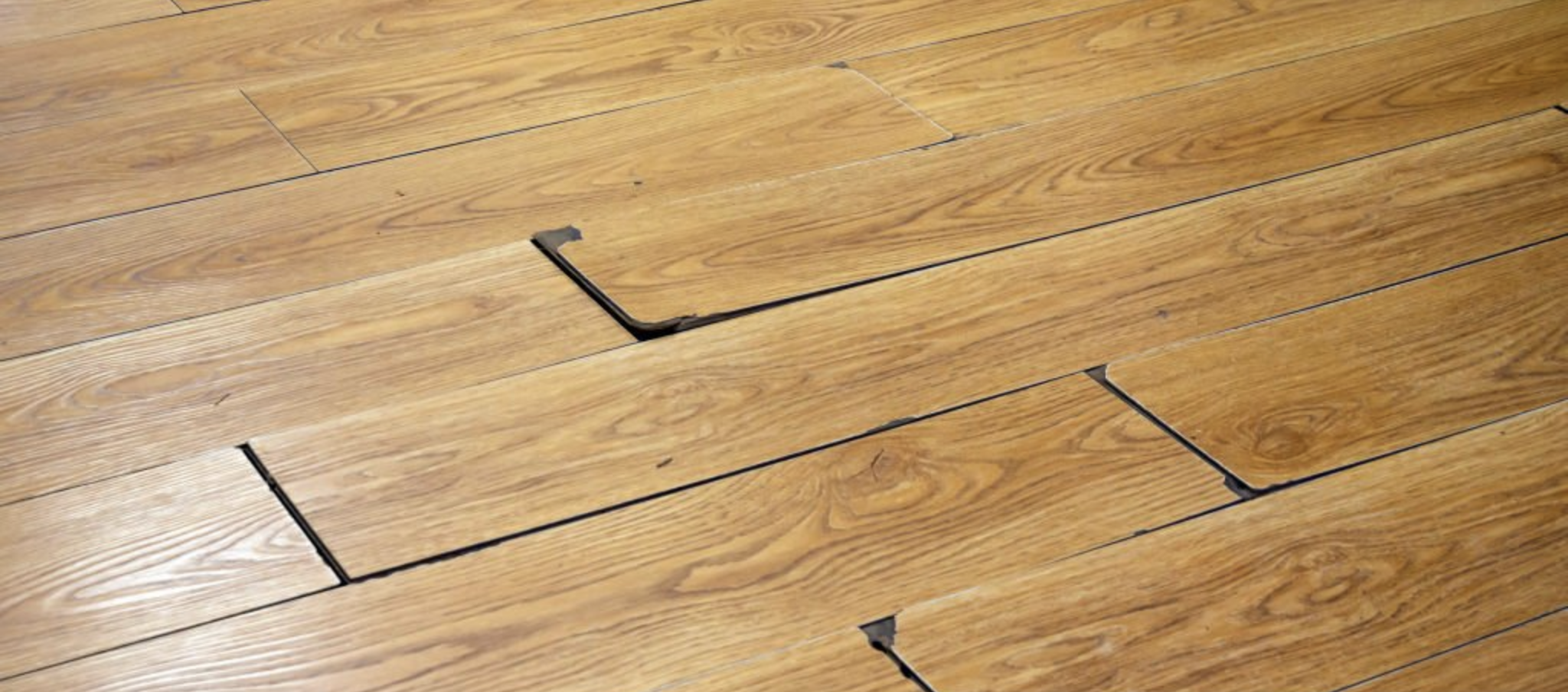
Filling these spaces while the floor is contracted can cause problems later. As the boards expand, the filler may crack, loosen, or get pushed out.
If gaps consistently appear during the winter and disappear during warmer months, they may simply be the result of normal seasonal movement.
Wood filler works best when the surrounding flooring is stable.
If floorboards are loose or continually moving, the filler between them is also subjected to that movement. Eventually, it may begin cracking or working its way out.
This is why repeatedly adding filler to the same area may not solve the problem.
If the floor itself is moving, the underlying issue should be addressed before making the cosmetic repair.
Larger gaps may require something more substantial than conventional wood filler.
Depending on the flooring, a professional may install a carefully fitted piece of matching wood into the gap before sanding it flush with the surrounding floor. In other cases, replacing an individual damaged board may provide a better long-term repair.
The correct method depends on the size of the gap, the condition of the surrounding boards, and what originally caused the separation.
Manhattan's older housing stock makes this issue particularly important.
Pre-war apartments, brownstones, townhouses, and other historic properties may have hardwood floors that have experienced decades of seasonal movement, refinishing, repairs, and changes to the building's heating and cooling systems.
Not every imperfection needs to disappear.
When restoring an older hardwood floor, the goal should be to determine which gaps and defects need repair and which are simply part of the floor's natural character.
Sometimes filler is the right solution. Sometimes a wood repair or board replacement is more appropriate. And sometimes the best solution is to leave a small seasonal gap alone.
Before filling a gap, consider three things:
Does the gap change throughout the year?
If it appears primarily during winter, it may be seasonal movement.
Are the surrounding boards stable?
Filler is unlikely to last if the flooring itself is moving.
How large is the gap?
Larger gaps may require an actual wood repair rather than filler.
Ultimately, the cause of the gap should determine the repair.
At Scerri Quality Wood Floors, we've worked with hardwood flooring since 1984, including installations, repairs, restorations, and refinishing throughout Manhattan.
If you're unsure whether gaps or cracks in your hardwood floor should be filled, repaired, or left alone, we can evaluate the floor and recommend the appropriate solution.

© 2026 Scerri Quality Wood Floors


