

Published
July 21, 2026
by Joe Scerri, Owner
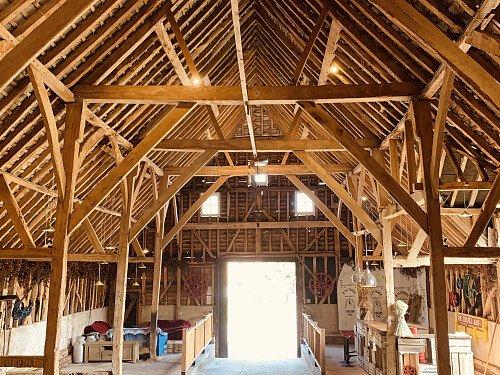
Reclaimed wood has become increasingly popular among homeowners, designers, and architects for its unique appearance and rich history. Unlike newly harvested lumber, reclaimed wood has already served a previous purpose before being carefully recovered and repurposed into flooring, furniture, beams, and other architectural features.
But where does reclaimed wood actually come from?
The answer is more interesting than many people realize.
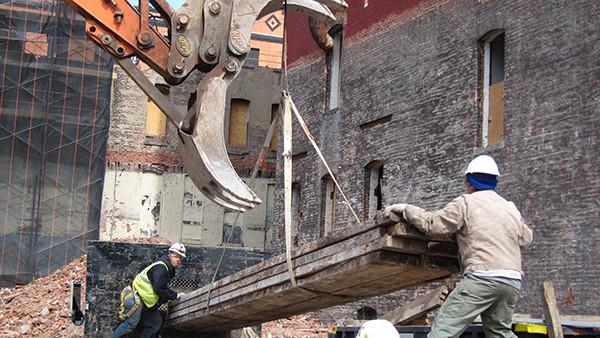
One of the most common sources of reclaimed wood is older buildings scheduled for renovation or demolition.
Instead of sending valuable lumber to a landfill, contractors carefully remove and preserve the wood so it can be milled and reused.
These buildings may include:
Many of the beams and floorboards found in these structures were cut from old-growth trees that are no longer commonly harvested today. Reusing this lumber allows its story to continue while preserving the quality and craftsmanship found in older construction.
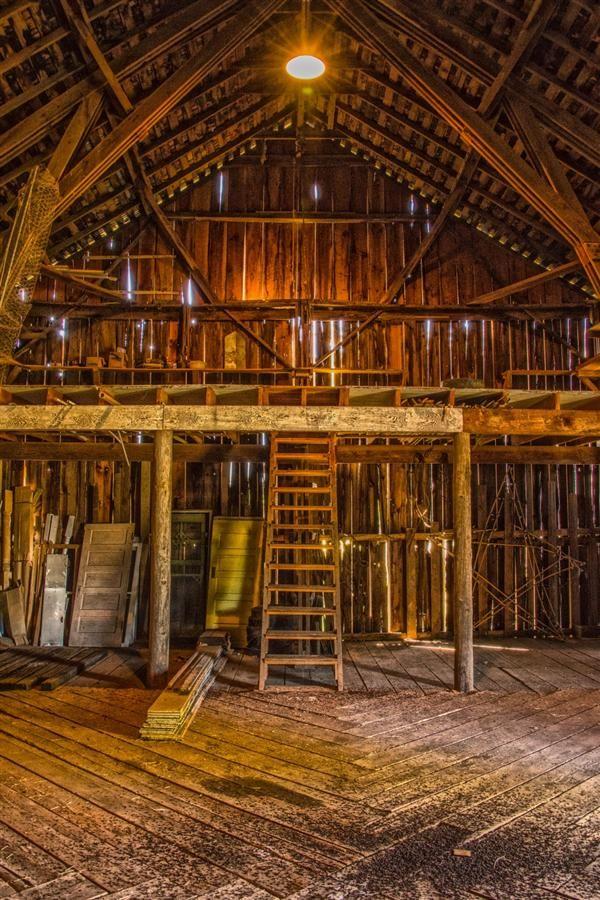
Barn wood is perhaps the best-known source of reclaimed lumber.
For generations, barns across North America were built using durable species such as Oak, Pine, Chestnut, and Douglas Fir. As these structures reach the end of their lifespan, much of that lumber can be carefully recovered and prepared for a new purpose.
Years of exposure to the elements often create beautiful textures, natural color variation, saw marks, and weathered character that simply cannot be manufactured.
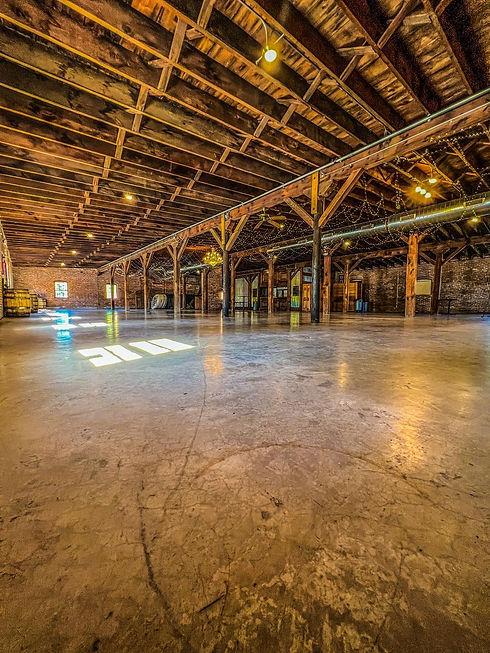
Factories, mills, and warehouses built during the late nineteenth and early twentieth centuries often contained exceptionally high-quality lumber.
These buildings commonly featured massive timber beams and thick hardwood flooring designed to support heavy machinery for decades.
After being carefully salvaged, the wood is cleaned, inspected, and milled before beginning its next chapter as hardwood flooring or architectural features in modern homes.
Not every reclaimed wood source comes from commercial buildings.
Homes undergoing major renovations or complete deconstruction often contain hardwood flooring, framing lumber, or structural beams that are still suitable for reuse.
Rather than allowing these materials to become construction waste, they can be reclaimed and transformed into beautiful flooring with decades of life still ahead.
Some reclaimed wood comes from less common but equally fascinating locations.
Lumber may be recovered from:
Although these sources are less common, they contribute to the wide variety of reclaimed hardwood available today.
One of the greatest appeals of reclaimed hardwood is that no two boards are exactly alike.
Depending on its previous use, reclaimed wood may feature:
These aren't flaws. They are authentic characteristics that tell the story of the wood's past and give every installation a unique appearance.
Some homeowners assume reclaimed wood is simply removed from an old building and installed immediately.
In reality, reclaimed lumber goes through an extensive preparation process before becoming flooring.
This often includes:
These steps help ensure the flooring performs as expected while preserving the natural beauty and character of the wood.
Many reclaimed hardwood products come from slow-growing old-growth forests. The lumber harvested decades or even centuries ago is often denser than much of today's commercially available wood.
When professionally installed and properly maintained, reclaimed hardwood flooring can continue serving a home for generations.
Instead of ending its life when a building is demolished, reclaimed wood begins a new chapter in another home.
Choosing reclaimed hardwood is about more than appearance. It is also a way to preserve valuable materials that might otherwise be discarded.
Every reclaimed floor helps reduce waste while giving historic lumber a second life. At the same time, homeowners receive a floor with natural character, rich history, and a level of uniqueness that cannot be replicated with newly manufactured products.
Reclaimed wood brings together craftsmanship, history, and timeless design. Whether it originated in a century-old barn, a historic warehouse, or a traditional home, every board carries a story that continues long after its original purpose.
If you're interested in incorporating reclaimed hardwood into your next project, explore our reclaimed wood flooring options to learn more about the materials available and how they can bring warmth and character to your home.

© 2026 Scerri Quality Wood Floors


